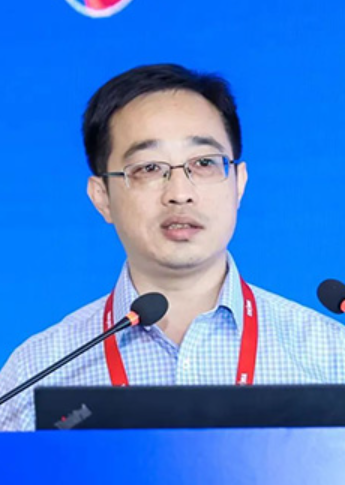
| Prof. Dongrui WuHuazhong University of Science and Technology, China Wu Dongrui received his Bachelor's degree in Automation from the University of Science and Technology of China in 2003, his Master's degree in Electrical and Computer Engineering from the National University of Singapore in 2006, and his Ph.D. degree in Electrical Engineering from the University of Southern California, USA, in 2009. He is currently a Professor, Doctoral Supervisor, and Associate Dean of the School of Artificial Intelligence and Automation at Huazhong University of Science and Technology. He is an IEEE Fellow and serves as the Editor-in-Chief of the IEEE Transactions on Fuzzy Systems (Impact Factor: 11.9). His primary research interests include brain-computer interfaces, machine learning, smart healthcare, and affective computing. He has led projects funded by the National Natural Science Foundation of China (Excellent Young Scientists Fund), the Ministry of Science and Technology, the Wuhan Science and Technology Bureau, the Shenzhen Science and Technology Innovation Commission, as well as industry-supported projects from CSSC, Dongfeng Motor, Huawei, Alibaba, Baidu, Ant Group, and others. |
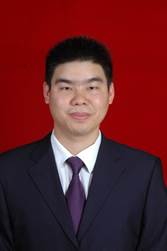
| Prof. Hui XiaoZhongnan Hospital of Wuhan University, China Xiao Hui is currently the Director of the Information Center at Zhongnan Hospital of Wuhan University, holding the title of Professor-level Senior Engineer. He is also a Researcher at the Global Health Institute of Wuhan University, Chair of the Health Information Special Committee of Hubei Health Statistics and Information Association, a Member of the Eighth National Health Information Standards Professional Committee, and a Standing Committee Member of the Information Professional Committee of the Chinese Hospital Association. |
| Prof. Zulqarnain BalochKunming University of Science and Technology, China HDr. Zulqarnain Baloch served as an Associate Professor at the Biomedical Center of Northwest Minzu University in Lanzhou from 2019 to 2020. Since 2020, he has been a Professor and Master's Supervisor at the Faculty of Life Science and Technology, Kunming University of Science and Technology. His primary research areas include molecular epidemiology of infectious diseases, pharmaceuticals, and traditional Chinese medicine. Furthermore, he is a member of the Asian Council of Science Editors, the World Society for Virology, the Pakistan Veterinary Medical Council, and the Alumni Association of Kunming University of Science and Technology (Yunnan, China), and serves on the editorial boards of several scientific journals. |
| Prof. Haoyang FuGuangdong Provincial Hospital of Chinese Medicine, China Fu Haoyang is the Director of the Information Department at Guangdong Provincial Hospital of Chinese Medicine and the Director of the Office of the Guangdong Traditional Chinese Medicine Data Center. In recent years, he has been involved in the formulation and revision of over 100 national standards for Traditional Chinese Medicine (TCM) information. He is well-versed in the analysis and utilization of big data in medical research. His main work focuses on hospital information technology planning and construction, big data analysis and mining in TCM, as well as the formulation and revision of national standards for TCM information. |
| Prof. Yong XiaoHubei University of Chinese Medicine, China Xiao Yong is an Associate Professor, Master's Supervisor, Database Engineer, and Supervision Engineer at the School of Information Engineering, Hubei University of Chinese Medicine. He currently serves as the Deputy Director of the Institute of Standardization and Information Technology, Hubei University of Chinese Medicine, and the Deputy Director of the Hubei Provincial Research Center for Traditional Chinese Medicine Information. His academic affiliations include: Standing Director of the China Association of Chinese Medicine Information; Member and Deputy Director of the Secretariat Office of the Expert Committee on Traditional Chinese Medicine Information Standardization; Secretary-General of the Statistics Branch; and Deputy Secretary-General of the Information Security Branch of the same association. His main research directions include: Traditional Chinese Medicine (TCM) informatization policy, TCM informatization engineering, and TCM information standards. |